In recent years, steel-look aluminium internal doors have transitioned from a niche design choice to a mainstream specification in both residential and commercial interiors across the UK. For window and door installers, this growing demand represents an opportunity to expand product offerings, increase value-added services, and align with broader architectural trends. This explainer outlines the historical roots of the steel-look aesthetic, examines its evolution into contemporary interiors, and assesses the commercial potential for installers in 2026.
1. Historical Context: From Industrial Origins to Design Classic
The steel-look aesthetic has its origin in early 20th-century industrial architecture. Large, robust steel-framed windows and partitions were standard in factories, warehouses, and institutional buildings, valued for their strength and ability to maximise light transmission. These utilitarian elements gradually gained appreciation as design icons during movements such as Bauhaus and International Style, where form followed function and structure was celebrated rather than concealed.
Throughout the mid-20th century, exposed metal frames and gridded glazing became symbolic of modernity and engineering honesty. As industrial buildings were repurposed for residential and creative uses, their character-defining features — including steel window and door frames — became desirable aesthetic elements. Architects and designers began to reinterpret these structural details in new contexts, planting the seed for the steel-look trend we see today.
2. Material Evolution: Why Aluminium Took the Lead
While authentic steel frames remain historically significant, practical limitations (weight, cost, susceptibility to corrosion without treatment) have constrained their adoption in many contemporary applications. Aluminium emerged as the preferred alternative due to its strength-to-weight ratio, corrosion resistance, and manufacturability.
Key advantages of aluminium for steel-look internal doors:
-
Slim sightlines: Aluminium’s structural integrity allows for narrower profiles, enhancing transparency and visual connection between spaces without compromising stability.
-
Durability: Aluminium resists rust and warping, reducing maintenance concerns common to ferrous metals in interior environments.
-
Thermal performance: Modern aluminium doors can be thermally broken and insulated, addressing energy-efficiency standards that other materials can struggle to meet.
By engineering aluminium frames with proportions and finishes that mimic traditional steel profiles, manufacturers have delivered the aesthetic appeal of historical steelwork with contemporary performance and practicality.
3. Contemporary Trends Driving Popularity
Several design and lifestyle trends have contributed to the rise of steel-look aluminium internal doors:
a. Open-Plan Living and Spatial Connectivity
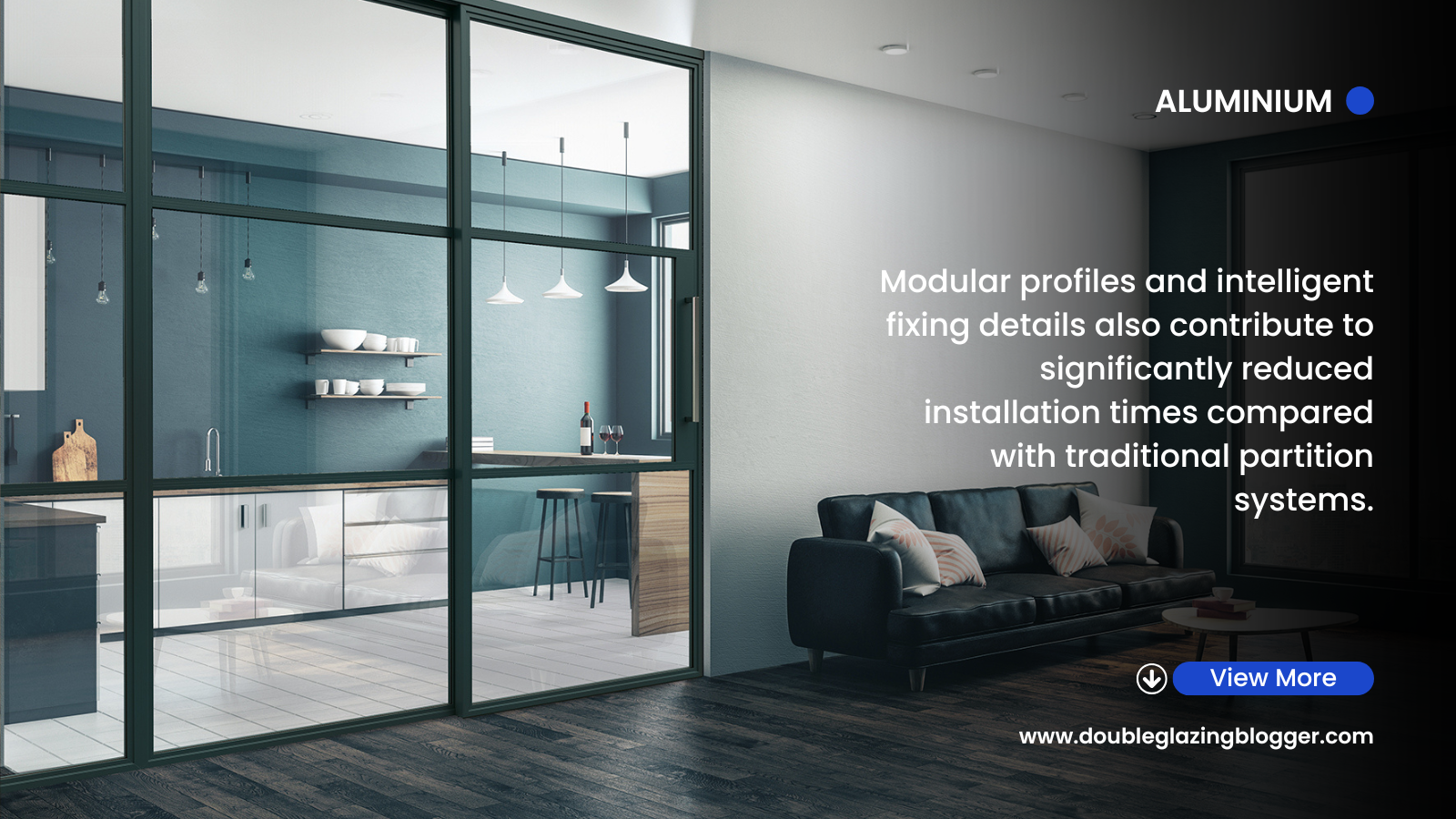
Modern living increasingly favours fluid spaces that balance openness with defined zones. Steel-look aluminium internal doors — often glazed floor to ceiling with narrow frames — create visual continuity while providing acoustic separation. They support layouts where kitchen, dining, and living areas are distinct yet interconnected.
b. Light Maximisation in Urban Housing
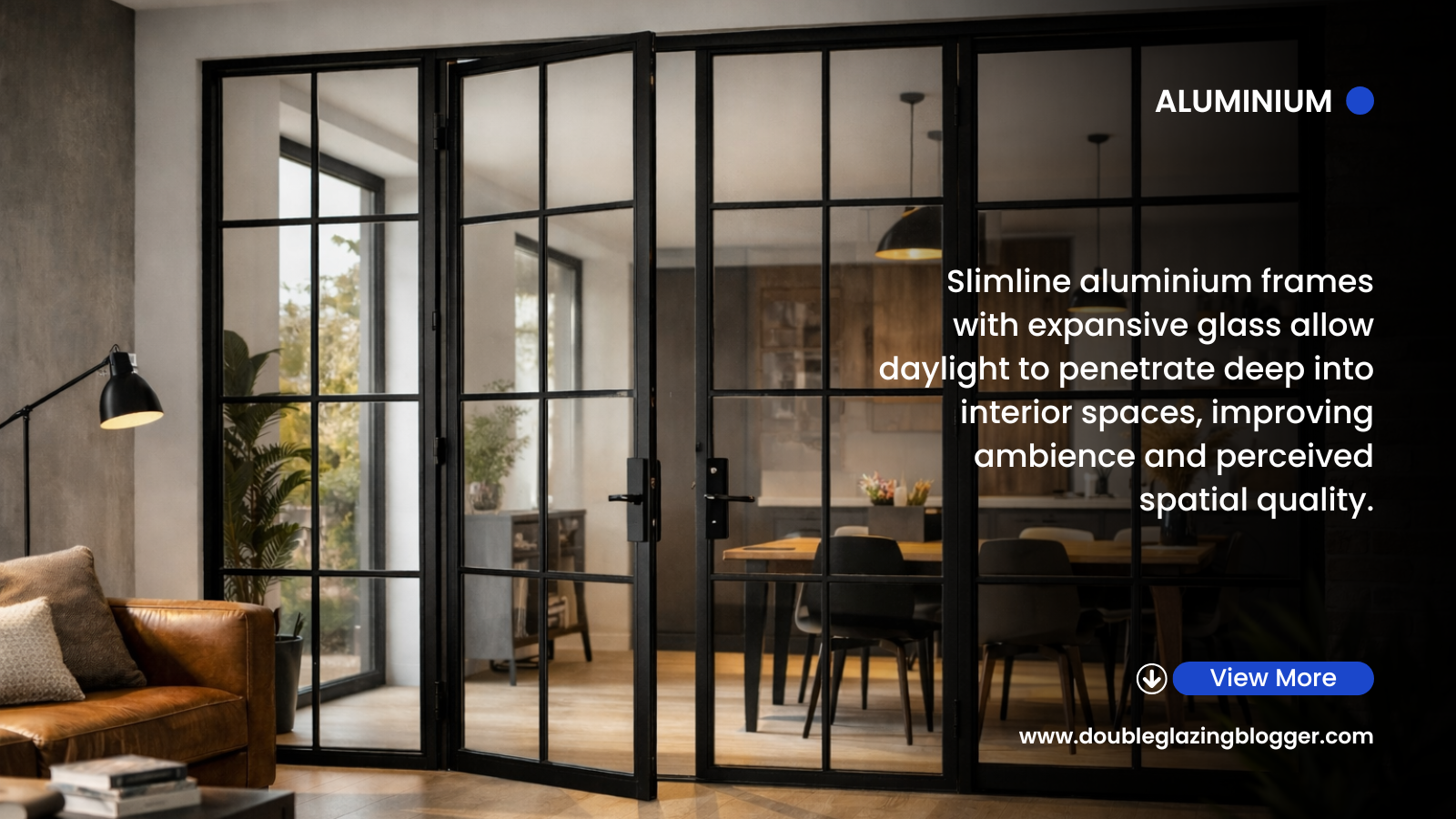
In dense urban environments, interior glazing that maximises natural light is highly prized. Slimline aluminium frames with expansive glass allow daylight to penetrate deep into interior spaces, improving ambience and perceived spatial quality.
c. Industrial and Minimalist Aesthetic Revival
Contemporary design movements often reference industrial heritage through exposed materials, neutral palettes, and clean geometry. Steel-look doors resonate with minimalist and industrial interiors, complementing raw finishes and architectural features.
d. Customisation and Bespoke Expression
Today’s homeowners and specifiers demand tailored solutions. Aluminium systems can be powder-coated in a broad spectrum of colours, including matt blacks, greys, and muted metallics, allowing greater alignment with interior schemes compared to painted steel alternatives.
e. Integration with Smart and Performance Features
Steel-look aluminium internal doors can be engineered to accommodate modern hardware — concealed hinges, flush locks, acoustic seals, and automation — supporting both performance and aesthetic criteria in high-end residential and commercial projects.
4. Product Variation in 2026
The market for steel-look internal doors has matured to include a range of configurations and performance tiers:
a. Standard Frames with Fixed Lights and Swing Doors
These basic systems offer glazed side panels and single or double swing doors in conventional domestic sizes. They appeal to refurbishments and new builds where visual connectivity is a priority.
b. Sliding Solutions
Pocket, track, and barn-style sliding doors provide alternatives where swing space is limited. Premium sliding systems combine smooth operation with narrow aluminium profiles.
c. Acoustic and Fire-Rated Options
Commercial interiors and high-density residential developments increasingly specify acoustic and fire-rated glazed doors. Manufacturers now offer aluminium steel-look doors with performance certifications suitable for regulated environments.
d. Hybrid Systems
Some systems integrate timber or other materials with aluminium to achieve specific tactile or environmental objectives — for example, timber interiors with aluminium exterior frames — while preserving the steel-look aesthetic.
5. Commercial Opportunity for Installers
By 2026, steel-look aluminium internal doors are not only a design trend but a viable commercial segment with several advantages for installers:
a. Enhanced Product Portfolio
Offering steel-look aluminium solutions allows installers to differentiate their portfolio beyond standard panel or flush doors. This can position businesses for higher-value contracts and attract design-savvy clients.
b. Differentiation in Competitive Markets
As mainstream builders and homeowners become more design conscious, installers with expertise in contemporary glazing systems can command preference over less specialised competitors.
c. Value-Added Services
Installers can expand services by advising on layout optimisation, acoustic performance options, hardware selection, and integration with smart home systems. These consultative roles enhance perceived value and customer satisfaction.
d. Repeat and Referral Business
Successful installations in refurbishment projects and high-visibility homes can lead to referrals among architects, interior designers, and renovation contractors.
e. Training and Upskilling
Manufacturers and suppliers increasingly provide training on aluminium steel-look systems, installation tolerances, and finishing details. Installers who invest in these competencies are better positioned to manage complex specifications and on-site challenges.
6. Practical Considerations for Installers
To capitalise on this trend, installers should be prepared to address several practical aspects:
a. Accurate Site Measurement
Steel-look doors with glazing demand precision. Narrow frame profiles and tight tolerances increase sensitivity to measurement variances. Use calibrated tools and confirm dimensions before fabrication.
b. Installation Tolerances
Aluminium frames require careful alignment and plumb installation to ensure door operation and achieve the intended aesthetic. Training in handling, setting out, and sealing aluminium systems is essential.
c. Integration with Finishes
Coordinating frame finishes with interior architecture (including joinery, skirting, and wall surfaces) improves end results. Discuss colour, texture, and junction details with clients or designers.
d. Performance Expectations
Clarify performance criteria such as acoustic attenuation, fire resistance, and hardware options early in the specification process. Appropriate product selection ensures compliance with regulations and client requirements.
7. Forecast: Demand and Innovation Through 2026
Looking ahead, demand for steel-look aluminium internal doors is expected to remain strong as design preferences continue to align with light-filled, transparent spaces and industrial chic aesthetics adapted for contemporary living. Innovation in materials, hardware integration, and performance enhancements will further broaden application contexts and specifications.
For installers, embracing this segment with technical competence, quality control, and consultative sales approaches will unlock tangible business growth while meeting the sophisticated expectations of today’s clients.
Conclusion
Steel-look aluminium internal doors encapsulate a compelling intersection of historical design influence, material innovation, and modern lifestyle aspirations. For window and door installers in 2026, understanding this evolution and developing the skills to deliver these solutions positions businesses to capitalise on a dynamic and growing market segment.

Subscribe for FREE below to receive the weekly DGBulletin newsletter and monthly digital magazine!