
Eurocell’s first-quarter trading update highlighted a business continuing to outperform a subdued UK fenestration backdrop, with operational discipline and strategic diversification helping to offset ongoing weakness in core repair, maintenance and improvement (RMI) demand.
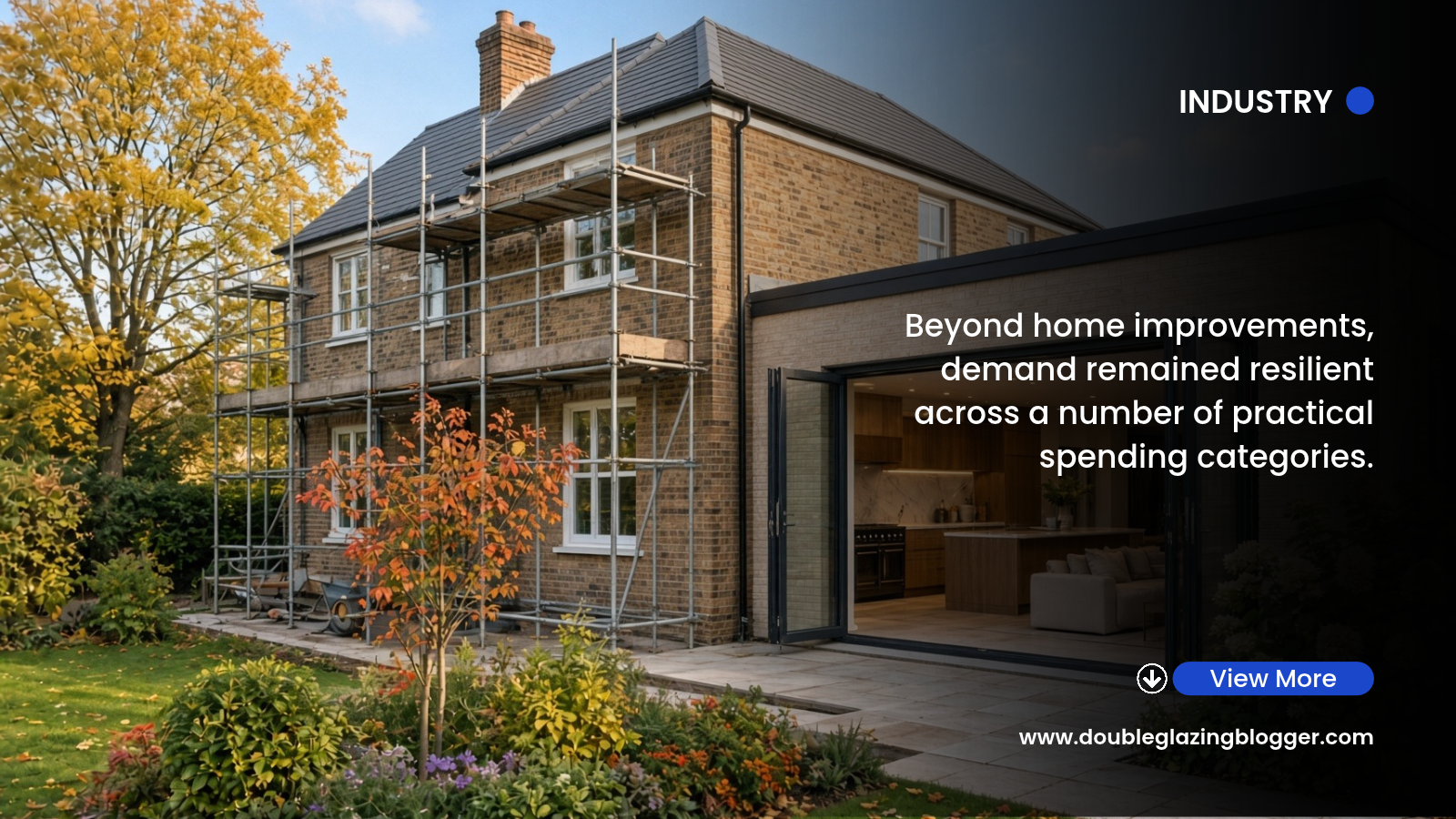
The company reported that trading conditions across its end markets remained mixed, reflecting the broader uncertainty still affecting UK construction activity. While there were early indications of stabilisation in new-build housing, the RMI market — historically a key demand driver for PVC-U window, door and roofline products — remained soft. Eurocell noted that homeowners continued to defer discretionary spending, a trend that has persisted across much of the UK home improvement sector since elevated interest rates and inflationary pressures began constraining consumer confidence.
Against that backdrop, Eurocell’s update suggested a relatively resilient operational performance. The group reiterated that it continues to focus on cost reduction initiatives, efficiency improvements and pricing discipline to protect margins in a low-volume environment. These measures appear increasingly central to the company’s strategy as volume-led growth across the fenestration sector remains difficult to achieve.
The broader economic context is important in assessing the significance of the Q1 figures. UK fenestration companies are operating in a market shaped by three competing forces: subdued consumer confidence, modest signs of recovery in residential construction, and persistent input-cost pressure. Although inflation has moderated from peak levels, financing costs remain comparatively high, limiting housing transactions and reducing homeowner appetite for larger discretionary renovation projects. Eurocell’s comments around sluggish RMI activity align with wider industry conditions seen across building products and merchanting businesses over the past year.
At the same time, the company appears to be benefiting from strategic diversification efforts undertaken over the past 18 months. The acquisition of aluminium systems business Alunet has become increasingly significant to Eurocell’s growth profile, helping offset weaker organic demand in traditional PVC-U categories. In previous results, management highlighted that Alunet had delivered strong market share gains and was a key contributor to profit growth despite weaker underlying volumes.
This diversification matters because the UK fenestration market is undergoing a gradual structural shift. Demand is increasingly influenced by energy efficiency regulation, premiumisation and changing consumer preferences, particularly toward aluminium systems in certain residential segments. Eurocell’s expansion beyond its traditional PVC-U base potentially reduces its exposure to cyclical weakness in mainstream replacement activity while broadening its addressable market.
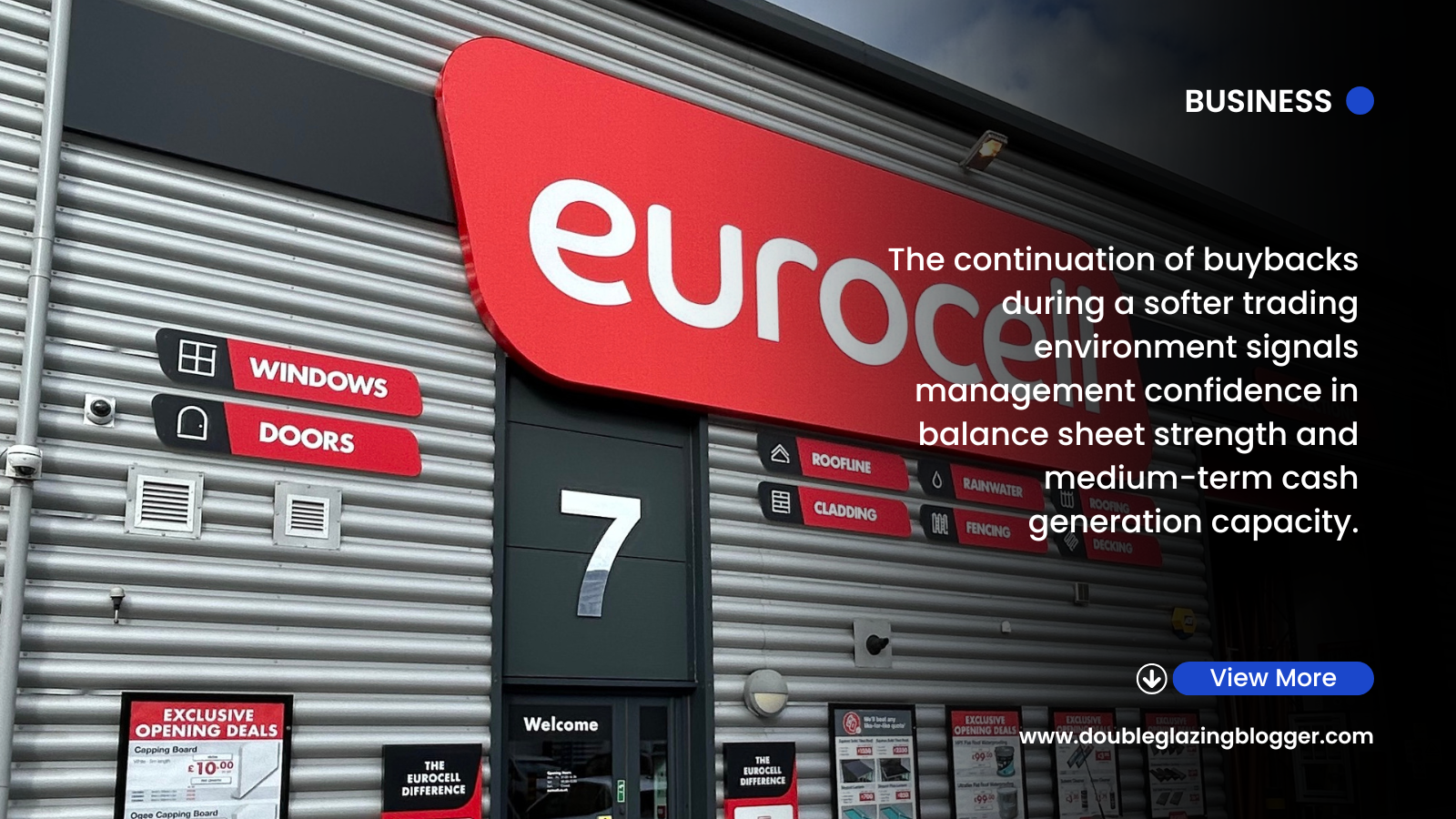
The company’s emphasis on cash flow and shareholder returns also remains notable. Eurocell confirmed continued progress on its share buyback programme, which followed a larger £15 million repurchase programme completed substantially during 2024. The continuation of buybacks during a softer trading environment signals management confidence in balance sheet strength and medium-term cash generation capacity.
Investor reaction to the Q1 update appeared relatively measured rather than dramatic. Eurocell shares have traded around the 100p–107p range in recent sessions, suggesting the market had already largely priced in the challenging trading environment. The absence of a severe negative reaction may indicate that investors were encouraged by the company’s cost-control measures, resilient profitability and continued capital return strategy despite weak underlying demand.
However, the valuation backdrop still reflects caution toward the wider construction and home improvement sector. Building products companies with significant UK housing exposure continue to trade under pressure due to uncertainty over the pace of any recovery in transaction volumes and consumer-led renovation spending. For Eurocell, the key question over the coming quarters is whether improving trends in new-build housing can begin to compensate for continued weakness in the RMI market.
Overall, Eurocell’s Q1 update reinforced the picture of a company navigating a difficult market more effectively than many peers, but still constrained by macroeconomic conditions largely outside its control. Operational efficiency, disciplined capital allocation and product diversification are currently compensating for weak end-market demand. The next phase of performance will likely depend less on internal restructuring and more on whether the UK housing and home improvement cycle begins to recover meaningfully during the second half of the year.
Read the full Q1 readout here: https://eurocell.flint-platform.com/regulatory-news/86438

Subscribe for FREE below to receive the weekly DGBulletin newsletter and monthly digital magazine!