
It appears the war in the Middle East is going to drag on for some time. Despite the weekly claims by the US that the war will be over very shortly. This is not our fight, but sadly, we are in the firing line of its consequences.
Price increases coming
After the initial shock of the start of the war, attention began to turn to other issues stemming from the conflict, namely the Straight of Hormuz and regional gas, oil, and petrochemical facilities.
The single most important waterway for energy supplies is at a standstill, with almost all traffic now stopped. Vast numbers of tankers carrying oil and gas are stranded at sea with no safe place to go. A number have been attacked over the last three weeks. In that sort of environment, nothing is going to move.
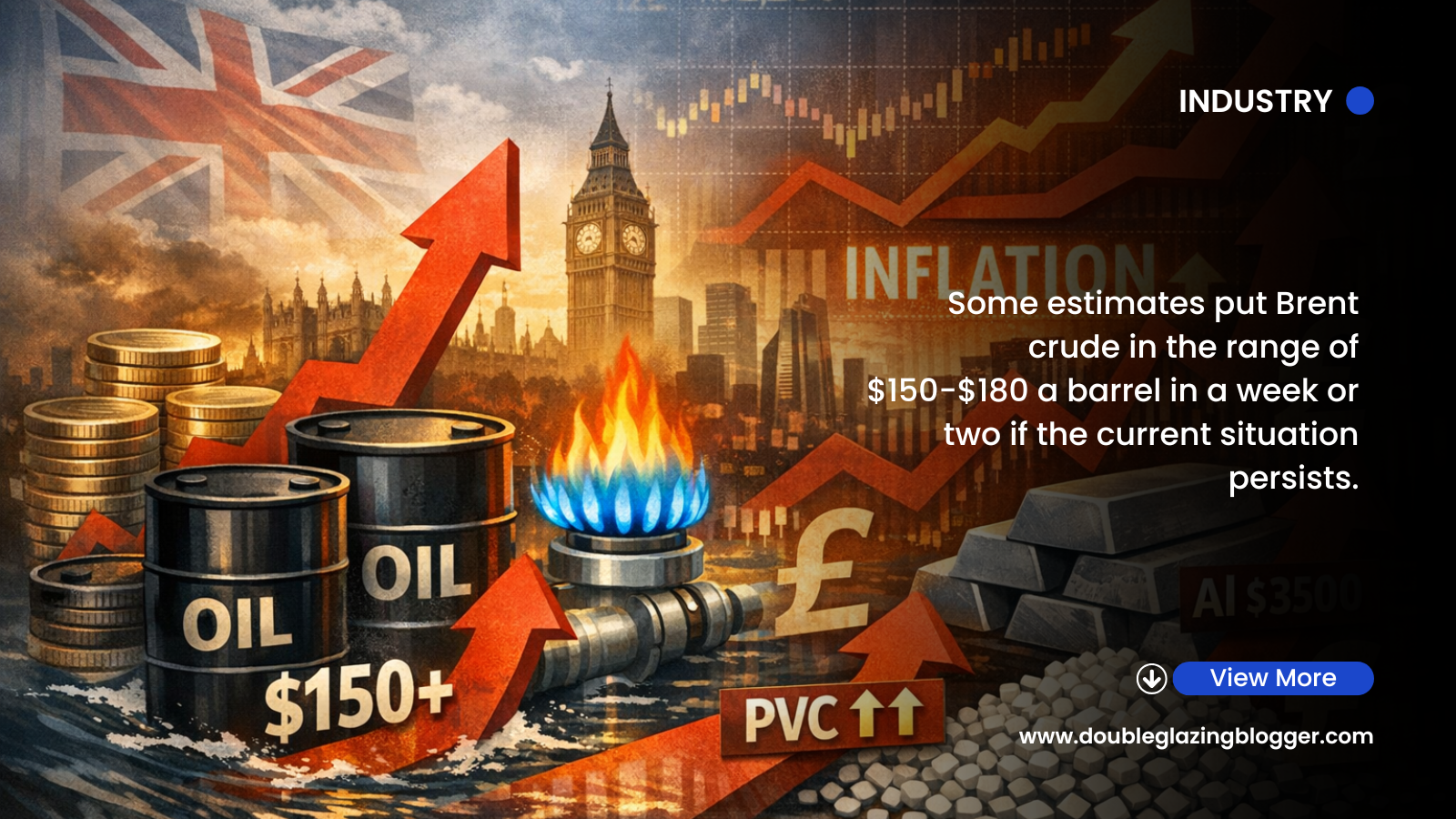
This has meant that the price of oil and gas has gone through the roof. We’re not quite at the spikes in prices seen after the Russian invasion of Ukraine, but we are approaching those levels and will be there shortly if the war continues. Some estimates put Brent crude in the range of $150-$180 a barrel in a week or two if the current situation persists. At the time of writing, Brent is at $110 a barrel. That in itself is already too high, and it continues to creep up every week. At that level, if it is sustained, that is going to cause considerable GDP damage to us, Europe, and anyone who uses Crude. If it goes to the highs some analysts think it might, you’re looking at serious economic problems.
But what does it mean for our sector in the real world? Well, PVC resin prices have skyrocketed. You can click here to check out the latest resin prices. You will see how sharply they have risen since the start of the war. Some speculate that we’re looking at double-digit price increases on PVC in the not-too-distant future. Not ideal at a time when trading conditions were already tricky.
Aluminium has not escaped either. Prices topped $3500 per tonne earlier in the week, and have since settled at $3200. However, that is still significantly higher than pre-war levels, and there are already whispers about price increases coming down the line in the aluminium part of the fenestration sector.
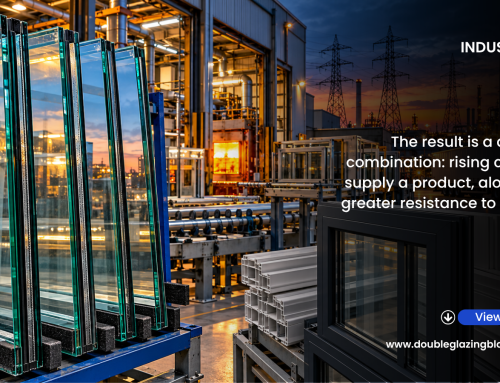
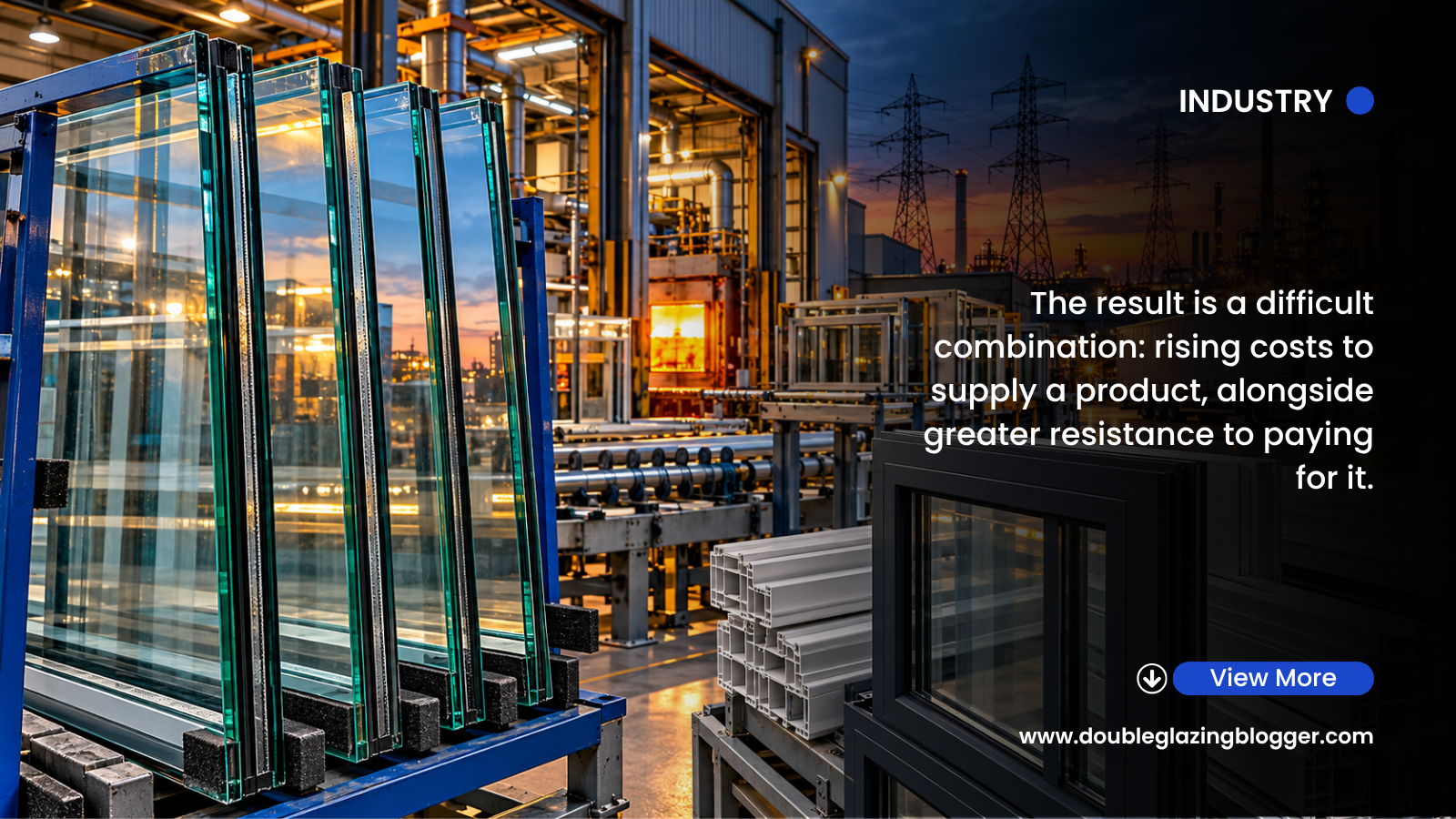
Then there are the headline-grabbing commodities of oil and gas. They power absolutely everything and influence all goods that require transportation. Higher petrol, diesel, and gas costs trickle down into everything, including the production of windows and doors. So, imagine a combination of higher raw material costs, coupled with rapidly rising fuel costs, and you have, once again, a terrible mix of inflationary price pressures.
We will remember all too well the combination of higher inflation caused by COVID measures, coupled with Russia’s invasion of Ukraine and the sky-high energy prices that came with it. The outlook appears to be rather similar.
Clear-headed thinking
I believe it is starting to gradually dawn on most people now how serious this situation is. At first, the spectre of war is attention-grabbing. It sucks the oxygen out of everything, and nothing else is able to draw people away. Then the economic factors of that war begin to appear, which is the one tangible thing people feel, even if the UK and Europe aren’t directly involved. When it comes to the pennies in our pocket, that’s when we really sit up and take note.
It is the same for businesses and our own sector. Hopes that this would be a short-lived affair are now gone. We are now having to comprehend a much more serious and unstable economic situation, just as we’d hoped that 2026 would be a year without additional drama or strife.
But we have been here before, only recently. And as I have said about Black Swan events that have affected our sector in previous years, it is better that we now know the previously unknown. We know how energy bills are going to be affected. We know how consumers are likely to react. We know how profit margins and demand levels are likely to respond. And because we know this and have experienced it only just a few years ago, we have the knowledge to be able to act in advance.
That means adjusting our business models to the coming new environment. It is better to adapt now than when things really go south. Where efficiencies can be made, make them. Where marketing can be boosted, do it now and really hammer it home. Installers should pay particular attention to marketing efforts in order to keep making compelling arguments for homeowners to invest in their properties. All businesses in our sector should be looking at saving energy where they can, as well as looking at their bills and finding ways to reduce costs if possible – I know that is easier said than done in this environment.
Lastly, we need to remain as clear-headed as possible. That doesn’t mean burying our heads in the sand and pretending nothing is happening. Blind hope is not a plan. But continue to keep track of events in the Middle East. Monitor prices of goods, transport and raw materials. Understand where market sentiment might be changing. By doing so, you can adapt business strategy and forge alternative paths.
No one really knows what is going to happen in the long term, such is the scale of the uncertainty right now. But we can probably be confident that in the short term, the war will continue, commodity prices will remain high and creep higher, and that we are going to have to brace for a period of rising energy and material costs here in the UK.

Subscribe for FREE below to receive the weekly DGBulletin newsletter and monthly digital magazine!